WINTER WISDOM
Snow and ice are a reality for all who live in Western Pennsylvania. For those who have osteoporosis, limited mobility due to age, arthritis or injury, the winter conditions can prove dangerous for falls. Here are a few simple hints to help you stay safe and healthy through the winter months:
- Walk this Way: Wear appropriate footwear. Use boots or shoes with sturdy winter treads. Use road salt, sand or kitty litter on sidewalks and driveways. Carry a small bag of this in a coat pocket or keep some in your car so that you can have access to it if needed. For example, you come out of a restaurant and it has become icy. Ask for help with errands or shopping if it is too slippery for you to think of going outside.
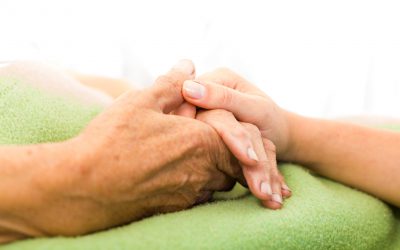
- Stay Connected: For many, depression is common in the cold, cloudy months of winter. Bad weather can mean social isolation to many older people. Make an effort to get together with friends, family and neighbors. Invite someone over for tea or coffee, take someone you know who does not get out much to a trip to the store or restaurant. Give someone a call and connect on the phone. A little conversation can go a long way. If approved by your physician, think about adding a vitamin D supplement to your diet to offset the limited sunlight for the winter months. Vitamin D is vital for many body functions and without direct sun light, it is difficult for the body to make it on its own.
- Keep your heat on: Many persons but particularly the older person may turn down the thermostat in an effort to reduce cost. Inadequate home temperature can cause hypothermia which is recognized as a fall risk factor. Home temperature should be kept at a minimum of 65 degrees. Dress in layers to stay warm and contact your local gas or electric companies who can often offer assistance or advice for your heating bill.
- Monitor exertion in cold weather: Persons with heart disease or other conditions can experience more stress on the cardiovascular system when working in a cold temperature environment. This is because cold temperatures cause the blood vessels to constrict and can increase the risk for heart attack in certain groups of people. Find someone to help with snow shoveling.
- Exercise Indoors: Just because you are indoors, does not mean that you should be inactive. Provided you have your physician’s approval, you can do activity inside your house. Consider marching in place while watching some TV, use a stationary bike, rent an exercise video from the library or do some gentle stretching activities. Even going up and down flights of steps repetitively can help.
- Check your Carbon Monoxide Monitor: Make sure your alert system to this toxic gas is functioning. Signs of carbon monoxide poisoning include headache, dizziness, nausea and can lead to convulsions and death.
- Protect those who cannot protect themselves: Caregivers of persons with dementia or Alzheimer’s disease should consider installing door alarm systems to alert them in the event that the affected person tries to go outside unannounced. Many can experience hypothermia or frostbite if they go outside without proper clothing.