April is Parkinson’s disease awareness month
Did you know that one million individuals in the United States are living with this disease? Parkinson’s is second only to Alzheimer’s as the most prevalent neurologic disorder. Physical Therapy intervention is a key component in helping individuals deal with this condition. Treatment can help with many aspects of life with Parkinson’s but you must have the right treatment by the right kind of physical therapist.
What kind of PT is good for Parkinson’s disease?
A physical therapist with expertise in treating neurological disorders is the type of therapist you should look for to add to your medical team. These PTs have added training and possibly certification in evaluating and creating the right treatment plan for individuals with this disease. Not all Parkinson’s patients have the same symptoms. There is wide variation in which parts of the nervous system are affected by this disease and how it presents itself. A neuro PT is skilled at assessing all the various components of movement disorder that can manifest as well as non motor issues that also impact the patient gaining a whole person perspective.
Lee Ann Sheehy PT, MS is our neuro therapist at OPTSP. She has 40 years of PT experience working with neurologic patient populations such as Parkinson’s, stroke, multiple sclerosis, brain injury, spinal cord injury, neuropathies, and other rare neurologic diseases.
Following her bachelor’s degree in physical therapy at Bowling Green State University, she received a Master’s degree in Neurologic Physical Therapy at the University of Pittsburgh and completed her thesis work on Parkinson’s patient intervention. Lee Ann also had a grandmother who had Parkinson’s so she has personal family experience with the disease. She became LSVT BIG certified in 2015 and enjoys working with patients who want the “boot camp” approach of LSVT BIG as well as those who may not feel this programming is a good fit for them right now.
Symptom intervention
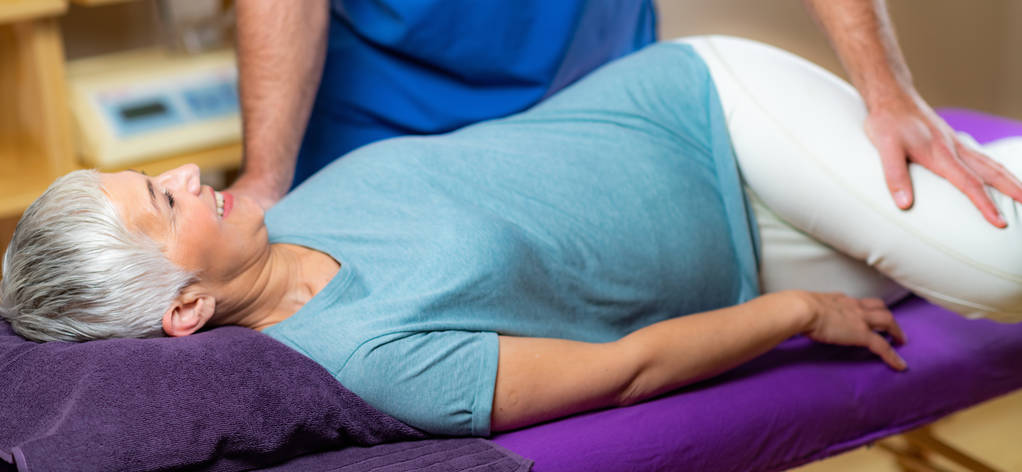
The past 25 years of rehabilitative research has revealed several important findings which physical therapists who specialize with this patient population would like patients to know. The earlier care is initiated, the better the outcomes. It used to be that persons were not referred for therapy until much disability had occurred or is someone is experiencing falls. Now, there are proven interventions to address the disease early so that patients can be empowered to know what exercises and habits can help them even in the earliest stages.
Being involved in activity and movement is very important. Rigidity (a form of muscle tightness) of the axial (spinal) muscles can be present even in the early stages and learning to improve mobility in this body region can carry over to being able to maintain long term functional capabilities. Neuro PTs know how to assess for this foundational movement piece and create interventions to help remedy it. Movement is initiated with Core stability and treating the core movement control is as important as initiating limb movement.
There is also a sensory/motor disconnect whereby patients feel they are moving as big as they can when in fact they are not. This change is very subtle over time and the patient is often unaware of it until someone else points it out to them. LSVT BIG programming greatly helps with this component.
Aerobic conditioning is very important to maintain at all stages of the disease and patients can benefit from guidance on how to incorporate this into their lives. It may be the most important aspect of exercise for Parkinson’s patients to do.
Postural changes can also be a subtle progression with this disease and can be improved with exercise and patient education. These changes can be linked to axial rigidity. Specific stretching and strengthening techniques can help tremendously.
Studies show that those with Parkinson’s who perform physical exercise in daily life enhanced their very survival rate with this disease. Medications help manage the symptoms of the disease but exercise preserves what is working and prevents compounding the issues. One can cope much easier when your aerobic capacity is strong and your muscles are strong. Yes, Parkinson’s makes movement difficult but it will be even more difficult if you do not address basic foundational movement pieces such as flexibility and strength.
Tremor remains resistant to interventions to stop it but there are compensatory techniques which can be learned in order to cope with tremor. Parkinson’s tremor is tremor at rest and tends to not limit hand function if addressed in the right way from a therapy perspective.
Movement Training
Because Parkinson’s affects a main movement generator circuit in the brain, automatic movement adjustments do not just happen anymore or are delayed thereby limiting movement. Movement becomes more mental in nature. The thought of movement parts of the brain have to work harder to let movement happen the way you want it to happen.
A neuro PT knows how to help train people into harnessing these other aspects of the nervous system to overcome what is not working very well anymore due to Parkinson’s disease. Treatment is training in many functional tasks including the top 4 limiting tasks that patient’s describe: 1. Difficulty getting up from a chair or a bench seat 2. Bed mobility skills 3. Walking and walking long distances 4. Being able to walk and carry objects or walk and talk/think at the same time.
It can also include any functional task that needs reinforced. Dressing for example is a very sequenced movement process and practicing that sequence can help. A good PT should ask you to identify any aspect of daily life that is giving you trouble and then problem solve with you to create an improvement.
Sometimes, patients can experience difficulty initiating movement. This is called start hesitation and there are strategies that can help. Other times, patients may experience a sudden stop of movement called a freezing episode. Sudden unexpected movements around you or approaching a threshold/doorframe can cause the movement to glitch and you feel like your feet are stuck to the ground. A neuro PT can teach you strategies to overcome these instances.
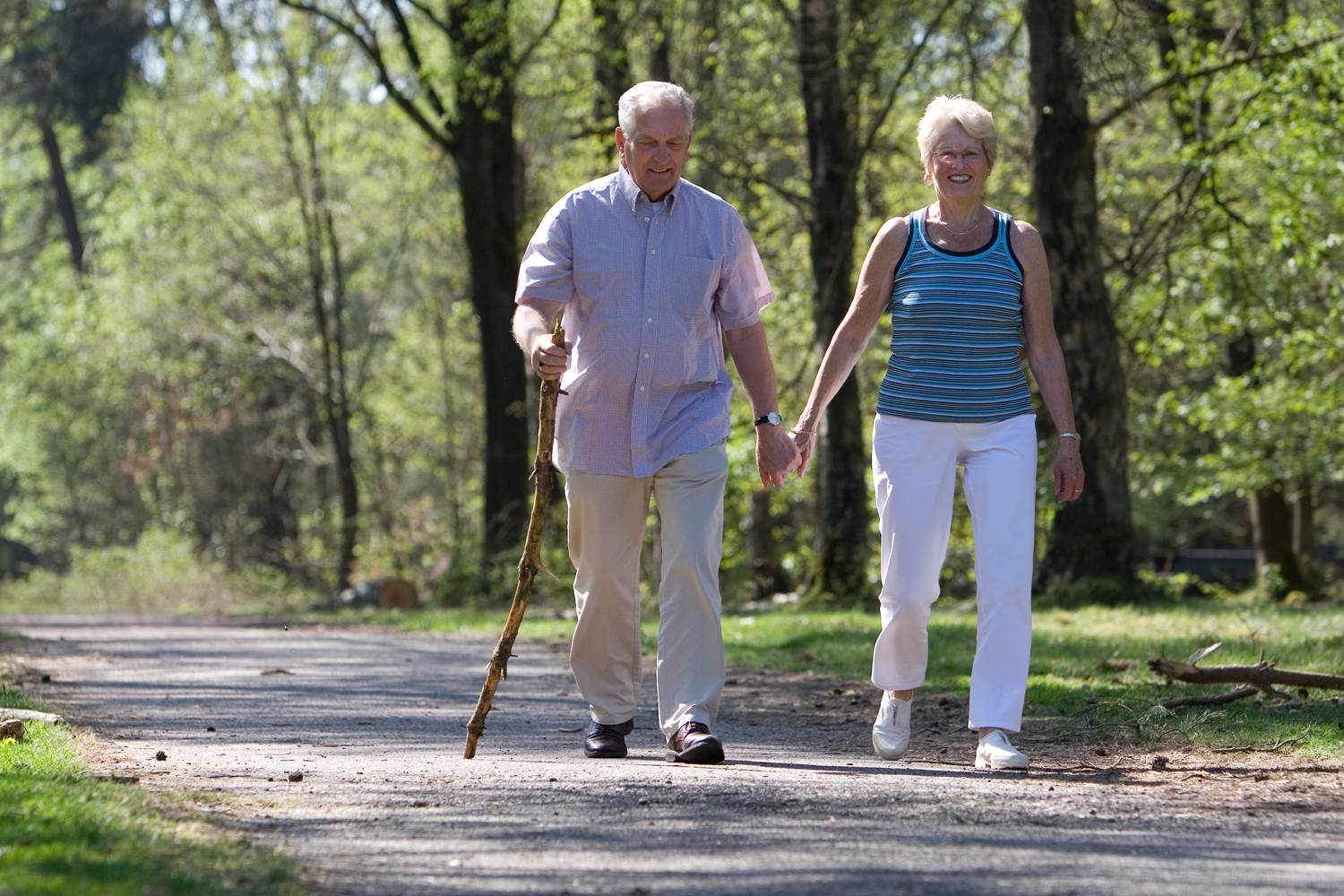
Walking training is very important part of treatment and you should work with someone who trains not just control for walking forward on level surfaces. Backward stepping, side stepping , change of direction drills, turning skills, managing stairs and open space curbs should all be incorporated into improving your gait skill set.
Want to know more?
If you or someone you care about is struggling with this disease and would like to know if physical therapy can help, please give us a call at 724-779-1300. Lee Ann would be happy to answer your questions and discuss your concerns and movement difficulties.
See our page on LSVT BIG
.