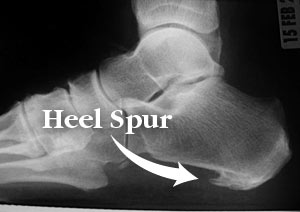
What is Plantar Fasciitis?
It is almost flip flop weather. More barefoot time may mean trouble with plantar fasciitis. After a long winter with feet stuck in socks, shoes and boots, we long to go barefoot and expose our feet to warm grass or the beach. Physical Therapists know that plantar fasciitis weather is just around the corner and our clinic is ready to help those who feet are hurting. This is a very common condition that often sends one’s foot through our door for physical therapy. This condition is very painful and often sneaks up on people.
The plantar fascia is a layer of tissue on the bottom of your foot which spans from your heel (calcaneus) to your toes. This tissue supports the arch of your foot and is very thick. In the case of plantar fasciitis, this deep thick tissue may experience repetitive micro or partial tearing and chronic inflammation. Biomechanical reasons can lead to scarring, inflexibility and pain due to chemical elements in the tissue involved in inflammation.
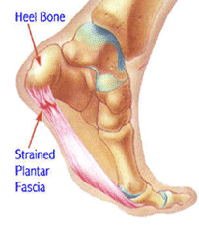
What does Plantar Fasciitis feel like?
Common physical complaints include intense pain in the heel or on the bottom of the foot during the first few steps of each morning as you get out of bed, after prolonged standing, at the beginning of a sport activity or worse by the end of the day. Sometimes the pain may slowly decline as the day goes along or it may linger. Many persons suffer with it for months before they seek care.
What makes you prone to Plantar Fasciitis?
This condition is known to be more prevalent in women, persons who have flat feet (no arch in standing) or an excessively high arch, persons who are overweight or during pregnancy, persons who frequently have to walk or stand on hard surfaces for their job and in persons who have lost flexibility in the muscles of their calf region.
Some arthritic conditions can cause inflammation of the deep tendons of the foot which can lead to plantar fasciitis. For reasons not yet fully understood, the diabetic may also be susceptible to this condition. Plantar Fasciitis can easily become chronic in nature.
Athletes who are prone to the condition include runners, tennis players or any athlete who relies on quick, repetitive motions of the foot. Dancers may also be susceptible as is anyone who walks or runs for exercise.
7 Guaranteed Prevention Tips
But what if you do not have an issue presently, and we hope you do not. What can you do to prevent this from happening to you?
- Are you older? 45+ in age? Our feet and tissue change as we get older. The arch we had when we were younger may now be lower to the ground and putting more stress/stretch to that thick band of fascia at the bottom of our feet. It is a good idea to support your arch by using an over the counter or custom arch support in your shoes as you age. Most shoes do not come with adequate arch support and an investment in this extra measure will serve you well.
- Do you always wear flip flops or go barefoot in the summer? Not having arch support for long periods of time is often the culprit to developing this condition. Sandals and flipflops are fine in small time dosages provided you have no symptoms and do not revert to this type of shoe wear 24/7 once the warm weather arrives. Do not walk barefoot for prolonged periods as well. Wear proper shoe wear.
- Keep your calf muscles flexible and stretch your plantar fascia. Women who tend to wear heeled shoes are prone to tightness in these areas.
- Build in periodic weight bearing rest breaks for your feet and legs if you work in prolonged standing positions.
- If your workspace or home workspace has tiled, concrete, or hardwood surfaces, consider a padded work pad on which to stand. These are available at most home improvement stores. These can be very helpful in kitchen areas.
- If you are overweight, extra pounds mean extra weight and stress on your feet as you move. Try to lose 5-10 lbs and you will feel a difference on your feet. Arch support is even more important here as a countermeasure to offset the extra load your feet are supporting.
- Do not ignore pain. If your feet are talking to you and telling you they hurt, seek help. If approved by your physician, try over the counter anti-inflammatory medication, use ice on the bottom of your foot, rethink your footwear, rest the sore area as much as possible, try the above mentioned stretches, and avoid walking barefoot.
We hope you have found this helpful but if you get into a problem and think you have this condition, call us sooner rather than later. Medical insurance identifies this as a treatable condition and you should not suffer from it. Physical Therapy can help with plantar fasciitis. We can do a biomechanical assessment, program the effective stretches and strengthening exercises, use modalities to relieve the pain and recommend foot support whether over the counter or custom arch supports. See our blog on custom orthotics: https://www.optimal-pt.com/custom-foot-orthotics-at-optimal-physical-therapy/
Call us at 724-779-1300 and our experts will have you back up on your feet pain free in a short period of time!