What is a Herniated Disc?
I want to understand what is happening to my spine. Your spine is an amazing engineering marvel. Multiple bones are stacked together linked by connecting joints and cushioned by small spongy disc tissue between the bones. Many muscles connect to the spine and produce movement in many directions.
Together, all of this design provides strength, control and movement to our bodies and stabilizing control to our core. A strong core enables our limbs to move efficiently. When vertebral discs are healthy, they function as tiny shock absorbers for the spine keeping it healthy and movement pain free. To read more about core muscles, check out this link:
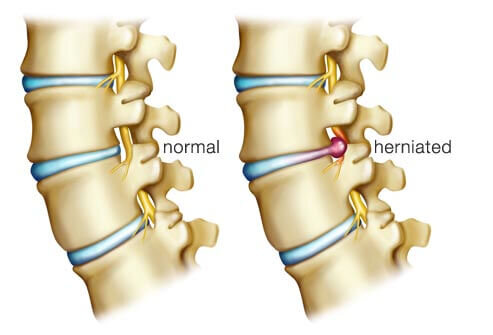
However, if there is damage to a disc such as can occur if the thick outer lining of the disc tissue becomes compromised. The disc can become bulged out – known as “bulging disc. Or it can open and leak into the spinal space. This condition is referred to as “slipped disc” or “ruptured disc”.
What causes a Herniated Disc?
Direct injury or trauma to the spine (fall, auto accident) can be a cause. General wear and tear of a disc due to mechanical faults coming from poor postural habits or an aging spine may also cause symptoms. These conditions can make discs prone to “drying out” and a lose of elasticity.
As a result of these changes, the spine and movement in general become less flexible. When a disc is not holding its shape or original place, it can begin to press on other tissues around it such as a nerve root in that area or even the spinal cord itself.
Symptoms of a Herniated Disc
I am getting radiating pain into my leg or arm. Symptoms can include pain, numbness and weakness in areas of the body involved by the segmented nerve root that is involved. Backache, radiating pain into an arm or leg , and possibly loss of bowel or bladder control can also occur. Sometimes, the herniated portion is not pressing on a nerve root, and you may not have pain at all.
If you suspect that you may have a herniated disc, and in all cases where your bowel or bladder function is affected, it is important to be evaluated by a physician who will examine you and conduct tests to confirm. The physician will likely send you to physical therapy. Not all herniated discs require surgery and conservative treatment by physical therapy is often preferred option one.
How does a Physical Therapist evaluate your disc symptoms
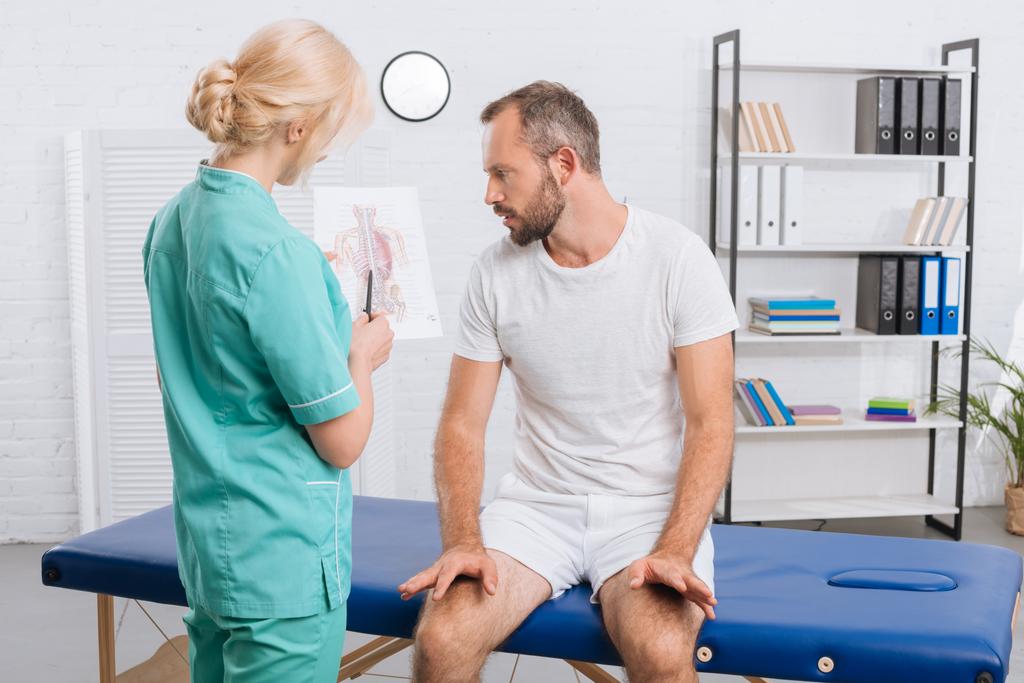
I have an appointment for physical therapy. What can I expect? A physical therapist will evaluate your spine, movement, muscle strength and muscle flexibility, posture and postural habits based on work/home and recreation, nerve function and pain symptoms. Your targeted individualized program will be specific to your findings to put your body back into proper balance and function.
Only a licensed physical therapist can develop this specialized plan for you and they should explain the process, exercises and interventions needed. You will feel like you are learning about your body, your condition and what exactly you can do to relieve symptoms.
Can this problem be fixed and how can I learn how to prevent it from coming back? Good physical therapy empowers patients to help themselves and to avoid the problem in the future. You may receive instruction in proper ergonomic seated desk set up, body mechanics for lifting and carrying tasks. Learning best sleeping positions and proper exercise form/technique for things you enjoy will help. You may need to learn how to better lift/care for young children when you have a disc issue.
What is involved in physical therapy treatment for disc issues
I have quite a bit of pain. What will the physical therapist do to me? To reduce pain and muscle spasm or to prepare muscles for stretch, modalities such as heat/cold therapy, gentle electric stimulation and/or ultrasound are helpful. These modalities relieve spasm, release endorphins, increase oxygen and nutrients to healing tissues and reduce inflammation.
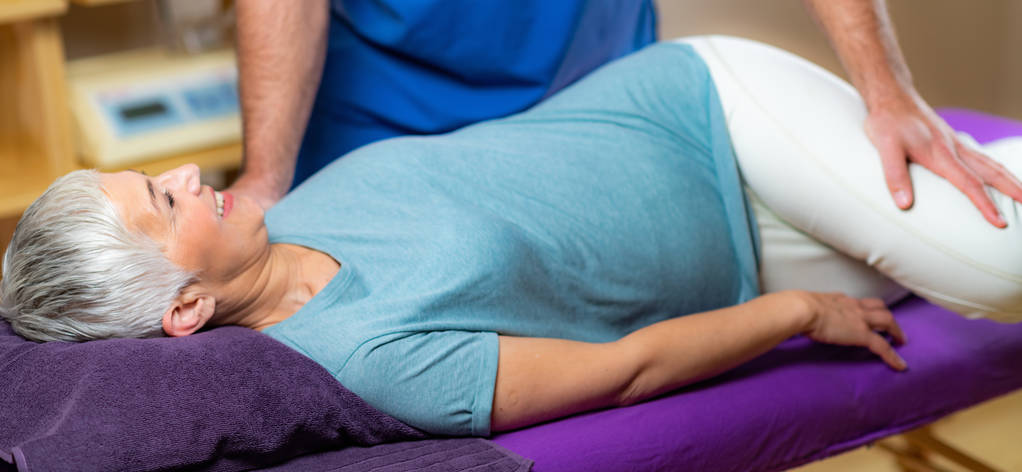
Active intervention may include manual techniques by your therapist to mobilize spinal segments, stretching to improve flexibility in tight muscles You will do exercises to improve muscle strength and balance of muscle groups that attach to spine, and deep core muscle strengthening. Gentle traction techniques to help get pressure off nerve roots may be needed. Each person’s condition is evaluated individually and treatment may or may not require all of the above.
My situation is complicated. I have arthritis and a herniated disc. Maybe I have too many back problems to expect results. Occasionally, there is more than one spinal disc involved. Sometimes other spinal issues are also active and contributing to a patient’s symptoms.
An aging spine with arthritic changes in the spinal joint regions or a systemic disease process that now has a mechanical disc issue added to it can need addressed. Physical therapists will account for all contributing factors that may be affecting you and create an intervention that is right for you specifically.
Physical Therapy is worth a try for herniated discs
At its center, physical therapy philosophy is to restore normal biomechanics, reduce pain and to educate so that once the condition is resolved, it will not return. You should feel confident that physical therapy is often a very successful, noninvasive option to help with this condition. It is definitely something that can help and can improve your symptoms in a short matter of time. The therapists at Optimal Physical Therapy and Sports Performance have many years of experience evaluating and helping patients with this condition.
Read more about herniated discs and how physical therapy can help you at these links;
Herniated Disk (Bulging Disk): Symptoms & Treatment
Herniated Disc Physical Therapy: What to Expect and Exercises