
Sports Safety in Youth
Sports safety in youth should be a priority. There is no doubt that organized sports can be a very positive experience for young people offering fitness benefits (greater cardiovascular health, bone mass, strength, prevention of obesity and type 2 diabetes, improved coordination and athletic skills). Youth sports also offer improved self esteem and social interaction skills in addition to being a healthy outlet for fun. Sports safety is very important to healthcare providers who work with young athletes.
Youth participation in sports has changed dramatically in the past 3 decades. Participation has increased by more than six fold. Girls have become more involved in athletics. There has been significant study of the female athlete’s vulnerability to specific injuries. Including both genders between the ages of 5 and 14, sports related injuries have increased to estimated numbers of 3.5 million a year. The need for injury prevention and more sports safety strategies is widely studied.
With the rise in youth sport participation, there is an important responsibility to protect the developing athlete from preventable injuries. It is vital to keep children and adolescents safe from harm as they are vulnerable due to the immature musculoskeletal systems they bring to sport.
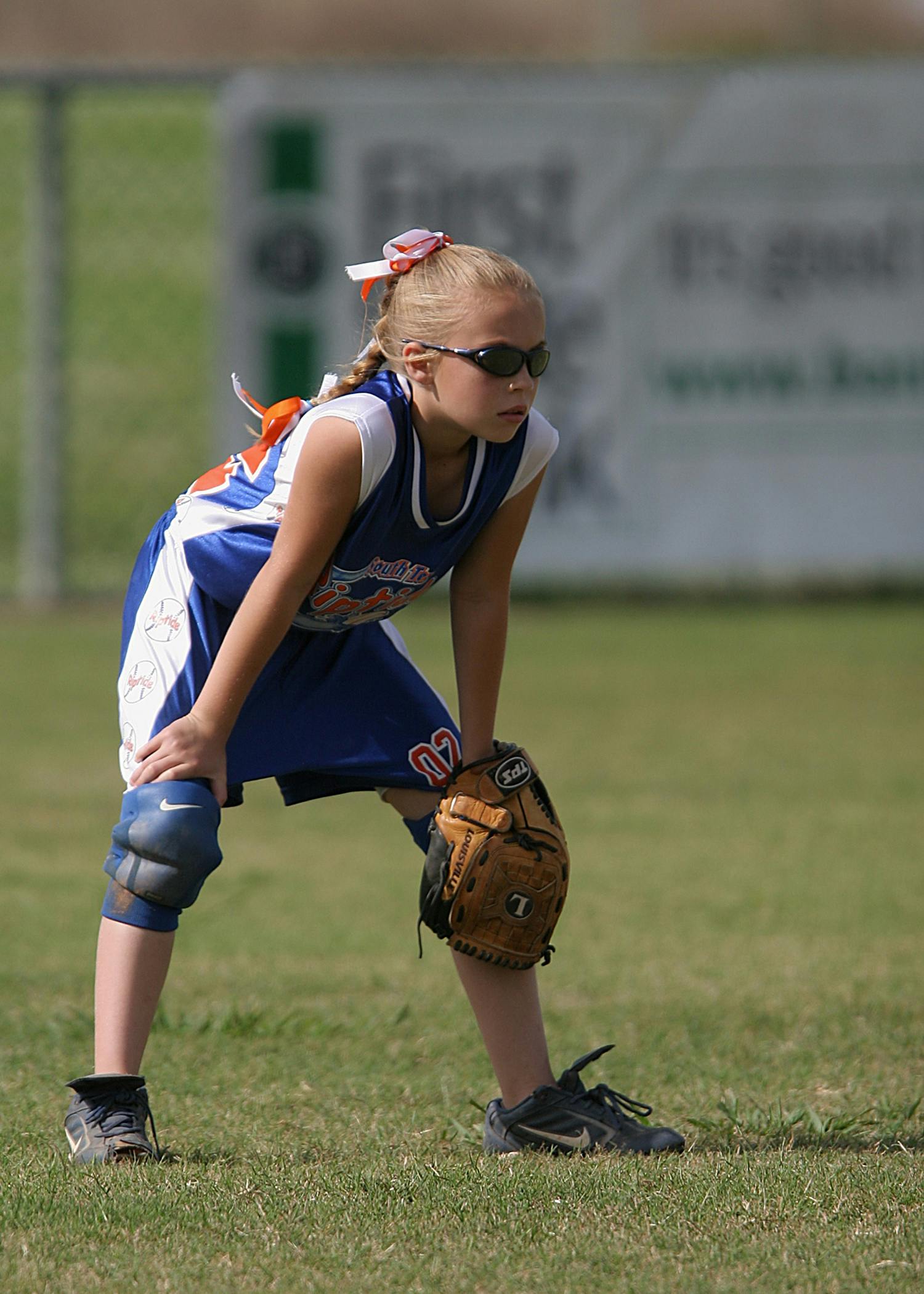
Common Injury seen in youth and adolescents
Overuse injuries can be common and stem from repetitive stress and insufficient recovery time. These account for nearly half of all sports injury in middle and high school athletes. Repeated stress without permitting the injured body part to rest leads to microtrauma and inflammation. Common examples include: Osgood-Schlatter disease (tibial tuberosity inflammation), Sever’s disease (heel pain due to Achille’s tendon traction), Little league elbow or shoulder (repetitive throwing stress).
Growth plate injuries occur at the ends of growing bones where the bone has not finished growing and is under constant development. These areas are highly vulnerable in youth and injury here can affect long term bone development and joint stability. It can even result in deformity or limb-length discrepancy.
Inappropriate training with a young skeletal body can lead to injury. If a coach or trainer is not educated to the fact that children and adolescents are not “mini adults”, proper training volume, strength and conditioning tactics may not be applied and can contribute to injury risk. This is not good sports safety in youth.
Growth Spurt as a risk factor. When a youth experiences rapid growth, the soft tissues (muscles, tendons) take longer to catch up to the longer bone structure. These areas where bone and soft tissue interface are prone to injury. Also hormonal and neuromuscular changes with this new body configuration can cause coordination challenges and make young athletes more prone to injury during during rapid growth phases.
Any persistent pain, visible swelling or reduced ability to move a body part warrants evaluation by a healthcare professional. Seek help soon as a sports safety in youth rule.
The idea of need for rest and sport diversification are important concepts to understand when encouraging youth in sports. Sadly, there seems to have been a trend in over specializing in one sport that has also fed into the problems with musculoskeletal injuries in youth/adolescents.
Dangers of Sports Specialization in Youth
Within this great increase of participation in youth sports, has grown a trend of “sports specialization” occurring in younger and younger age groups. This phenomenon is when young athletes “self select” to focus on a year round single sport participation. The American Academy of Pediatrics actually recommends limiting a single sport to < 8 months per year and < 16-20 hours per week for youth athletes.
Children and adolescents who choose one specific sport face increasing quantity and specificity of stresses on their growing bodies due to the constant exposure of that one sport or training required for that one sport. As professionals in the medical field and specialists in the sports medicine arena, we are noting that we have within our community two large populations of children: inactive children facing obesity and specializing sport youth at risk of developing overuse injuries in immature skeletally immature body.
Risks of children who only play one sport
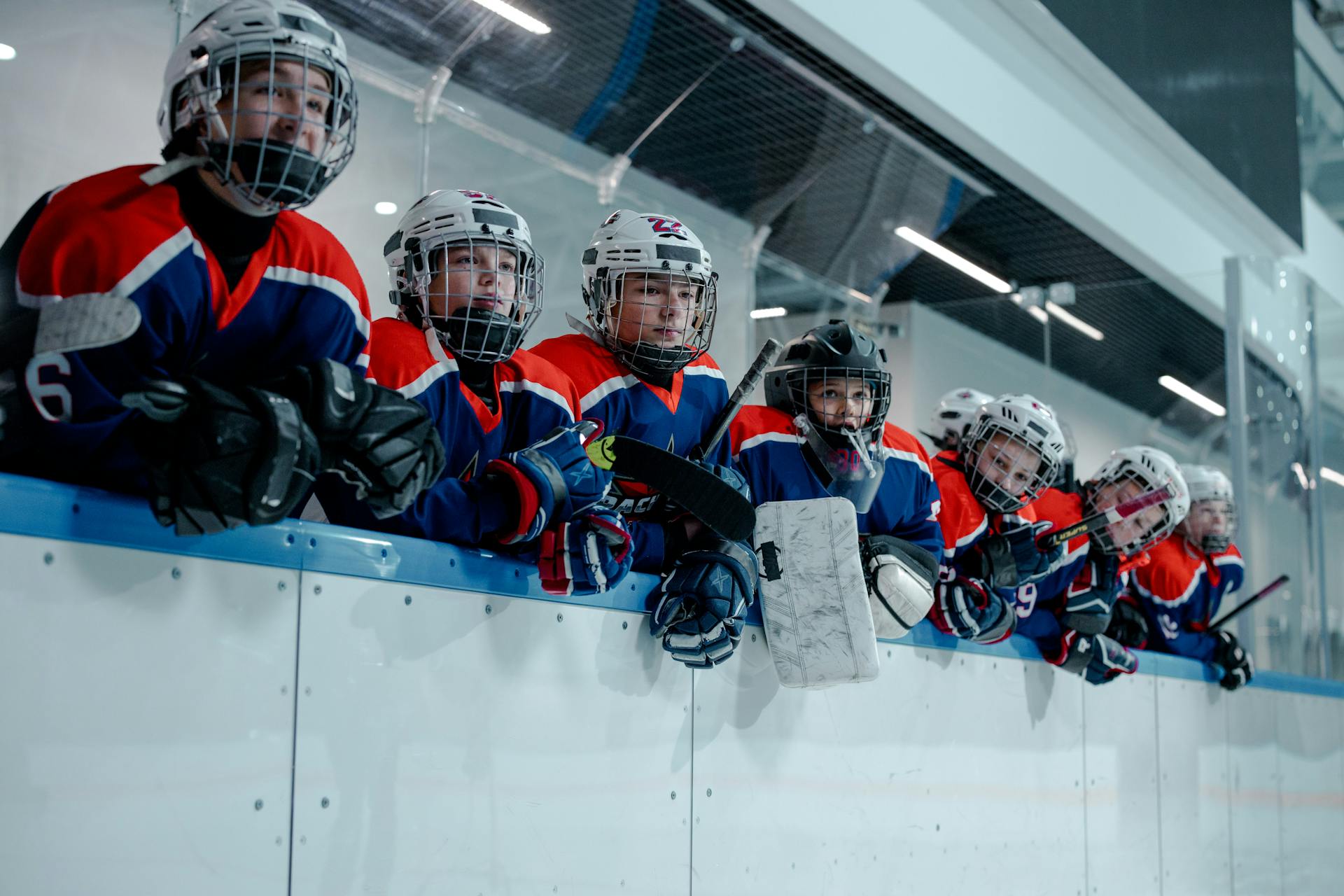
If your child has selected only one sport to focus on, there are a few risks that you should be aware of:
- Missed opportunities to participate in other activities (different sport, or non sport activities due to the level of commitment now required with single sport involvement)
- Burn out of the enjoyment of a sport once loved due to the constant exposure and time commitment
- Developing “chronic” overuse injuries as a youth due to repetitive exposure and overuse of certain muscle groups and structures to movement patterns required by the single sport.
What are overuse injuries in children?
Overuse (sometimes chronic) injuries in youth often result from repetitive strain on tissues (bone, tendon, ligament) and specific muscle groups resulting from repetitive and sustained stress without enough time for recovery. Youth tend to be vulnerable due to the relative weakness of growing bones and the tightness of the muscles, ligaments and tendons during growth spurts.
Repetitive microtrauma to tissue occurs when the ability for a specific tissue to repair itself is outpaced by the constant repetition of insult to the tissue. It has been shown by research that this phenomenon is unique to sports, fitness and training activities but not with activities of free play.
How free play offers protection
Think of free play as what children might choose to do if just playing outside with their friends. Free play sadly seems to be disappearing from our culture as we become more scheduled in activities. Families in organized sports seem to fill the needs of not only fitness but our social lives as well.
Forty years ago, children did play outside freely on a more daily basis. They rode bikes, played hopscotch and tag, jumped rope, went swimming at the local YMCA or pool and had enough kids in neighborhoods available to play pick up backyard football, soccer or other games.
What happened that changed youth sports
Organized sports were available but it was not as super scheduled as it is today or as specialized. In years past, there was a revolving cycle of sports that was spread out in the course of a year: football in fall, basketball in winter, baseball/softball or track in the spring.
Currently, there has been a greater participation in soccer, hockey, lacrosse, cross country, competitive dance, cheerleading and gymnastics and wrestling. The vast smorgasbord of options is ever growing. Families often want to include sports in their child’s life experience but due to time, economics and family dynamics in our modern culture, there is a trend to concentrate on one activity in an effort to balance family life in general and try to have their child excel at their best sport.
There used to be the day of the three or four sport athlete. These different seasons of sports permitted an athlete to use different muscles and tissues of the body in different ways. This permitted certain tissues of the body to rest during the off season of one sport while stressing other tissues and movement patterns when playing a different sport. With a revolving season cycle of sports, athletes cross trained naturally over the course of a year. Now cross training needs to be added just to offset the potential pitfalls of playing one sport all the time.
What happens when a youth focuses on just one sport
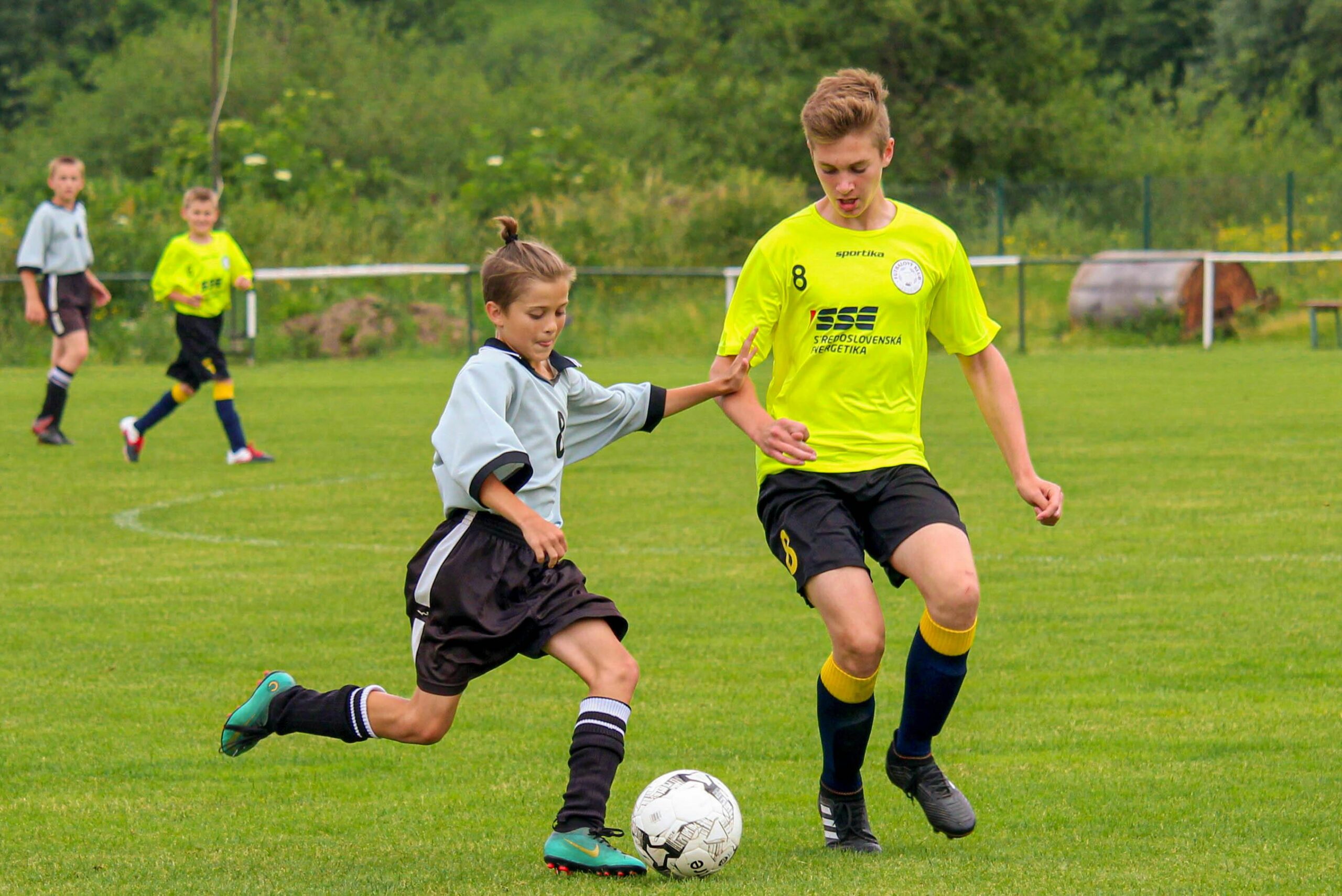
When youth athletes choose to focus on one sport, the young body is continuously subjected to the same forces and movement patterns repeatedly. This is what contributes to what we call chronic overuse injuries.
Think about it. Not only are youth athletes attending multiple practices and playing a sport year round in the school season and in the club sport programs during off school seasons, they are also paying for and participating in additional training to “improve” or “perfect” these specific skill areas needed for one sport.
At some point in time, especially if you have a young athlete who is experiencing physical injury repetitively, you need to ask how much is just too much? It is not OK for athletes to consistently “play through the pain”. Proper training requires proper rest to obtain the best results. Sports safety in youth should take priority.
There may come a time when an athlete and an athlete’s family may need to consider the long range picture of the youth’s body if facing a serious overuse injury. We try to keep injured athletes participating as much as possible and safely but occasionally we must modify their participation in the short term for the best interest of their long term health.
Cross training as a potential solution and contributor to Sports Safety in Youth
Cross training needs to become a way of the athlete’s life and approach to sports and training and can be incorporated during a rehab phase. At Optimal Physical Therapy and Sports Performance, our therapists have decades of professional experience in physical therapy and sports medicine. We are highly experienced in providing care for overuse conditions that many of our patients present with today and are knowledgeable about the latest techniques in treatment and sports specific drills to return to sport.
We remain dedicated to patient education in sports injury prevention and cross training. The best athletes are cross trained athletes. Their motor skill sets have versatility and their bodies have the proper neuromuscular balance for movement execution in a variety of ways that cross over into many sports. Cross training is something that can be done on your own once you learn the principles.
If you would like to discuss your athlete’s situation or receive more information about proper sports training, please give us a call at 724-779-1300.
Other resources