What is a Heel Spur?
A heel spur is a common medical condition but it is one that can cause discomfort. This condition can affect 1 in 10 adults but may or may not be symptomatic. The older you are, the more likely that one could be found on imaging. If someone else in your family has had this condition, research seems to point to a potential genetic link as well. Also, there are other systemic medical conditions which may make you prone to heel spurs. These would include Rheumatoid Arthritis, Ankylosing Spondylitis, and Gout.
A heel spur is an osseous growth that develops under the calcaneus (heel) bone. Typically it arises from a prolonged strain on where the plantar fascia, a thick connective tissue band on the bottom of the foot which connects the calcaneus to the toes. The term “osteophyte” is used to describe an outgrowth of bone in a bony region . Bone spurs often are created in an attempt to repair or address an injury. Where there has been previous trauma to a joint, repeated bouts of tendonitis, a breakdown of cartilage or overuse of a joint, there can be production of excess bone and calcium which creates a bone spur.
Heel spurs do not go away on their own, but they do not have to in order for you to get better. Most of the time conservative treatment will reduce and manage symptoms which will become less bothersome over time.
How do I know if I have a heel spur?
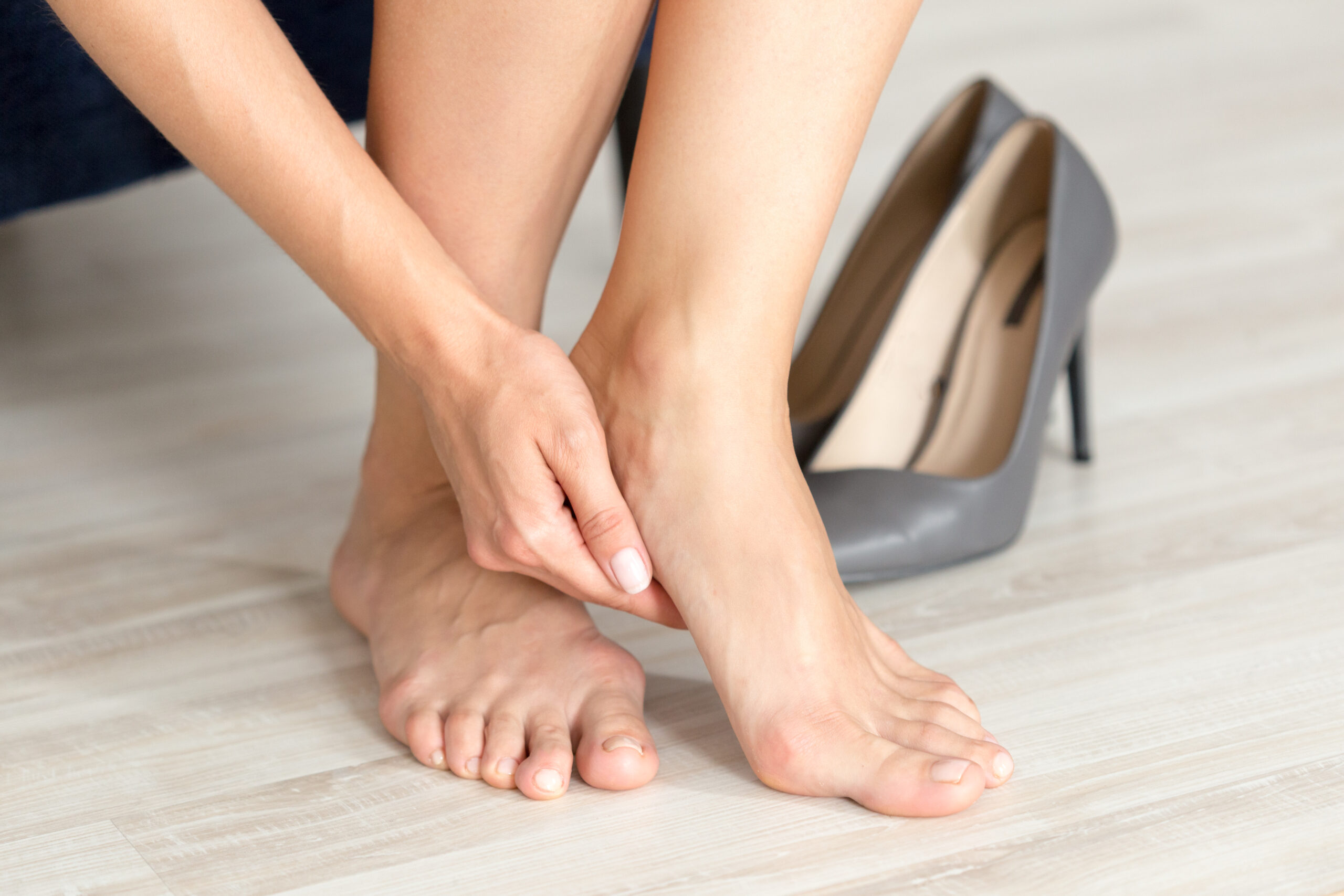
Heel spurs are most common in people over sixty although they can occur in runners who run on hard surfaces, persons who use improper or unsupportive footwear and in people who are overweight or obese. If you have any of the following symptoms, you may have a heel spur: Sharp pain or ache in the heel on the bottom of the foot which is often worse in the morning or after sitting/non weight bearing for a long period of rest, inflammation or swelling over the heel, tender to touch in this area, warmth over tissue in this area, a palpable bony protrusion in this area, pain that may worsen after activity/not during.
Sometimes the discovery of a heel spur is an incidental finding with imaging looking for something else. Some are painless and the discomfort may be coming from a different condition or it may be the combination of a heel bone spur with another issue such as plantar fasciitis.
What other conditions may be associated with a heel spur?
There are various factors that may contribute to the development of heel pain. Other conditions may be occurring at the same time which may be impacting the development of a heel spur. When a patient presents with heel pain specifically, an examination to rule out/in other potential conditions also needs to conducted. Plantar Fasciitis, Achille’s tendonitis and Tarsal Tunnel Syndrome may also be contributing to pain in the heel area and need to be ruled in or out with the symptom presentation.
Plantar Fasciitis is a leading cause of heel pain and it involves a strain or inflammation of the plantar fascia which is the thick band like tissue present on the bottom of your foot. Pain with this condition is also worse in the morning getting out of bed. The bottom of your foot may feel very sore and/or stiff until you walk around a bit. You can read more about plantar fasciitis in this blog: https://www.optimal-pt.com/how-to-prevent-plantar-fasciitis/
Achille’s Tendonitis is inflammation of the very large tendon that is present at the bottom of your calf muscles where it connects the calf muscles to the calcaneus bone. With this condition, pain and stiffness tends to be at the back of the heel, not the undersurface of the heel. This needs to be differentiated as treatment approaches are different.
Tarsal Tunnel Syndrome is a condition when the tibial nerve experiences compression within a narrow tunnel in the ankle. It causes pain, numbness and tingling sensations in the heel and foot. This condition can create overlapping symptoms with a heel spur.
Common issues that may make you more likely to develop a heel spur
- If you are a runner and you ramp up a workout too quickly. If you are used to smaller races but suddenly decide to go full marathon training, your foot tissues may respond unfavorably versus a slow and steadier work up for distance
- If you have flat feet or a high arch. Extra support in your shoes can protect this area
- If you are older than 40 and particularly when you are between 40-60 when natural, age-related changes to the fat pads in your heels begin and more pressure is felt on the heel.
- If you have tight calf muscles. These tight muscles create tension in the plantar fascia which stresses the heel region
- If you have an occupation where you are on your feet a great deal. (Nursing, Factory Worker, Teacher, Restaurant worker) Working these types of jobs without proper footwear can put constant strain on your feet. Proper supportive shoes will help reduce the stress.
7 Helpful Hints for a heel spur
- Modify activities: You may need a temporary break from activity that make your heel pain worse like running or jumping for a short period. Low impact activities like biking, walking or swimming can still keep you active as you heal.
- Stretching to your calf muscles and your plantar fascia tissue can help improve tissue extensibility to relieve pressure off your heel. Check out this short video which can show you how to stretch https://youtu.be/5k9k_tioGSo?si=hl8c14AheJFpzDD6
- Ice is best used for the first few days of symptoms. Keeping a frozen water bottle in your freezer and using it to roll the bottom of your foot for 10-15 minutes can feel good. After 3 days, you may prefer heat or alternate heat or ice to reduce symptoms
- Over the Counter medications as permitted by your medical history can be helpful to reduce pain
- Physical Therapy. If symptoms do not go away in a couple of weeks, physical therapy can design a program for you, use manual therapy to stretch you, and use other modalities to help with pain. Orthotic suggestions whether over the counter or custom based on your foot structure, sport or lifestyle can be recommended. Night splints may be helpful to help stretch while you sleep and to avoid the dreaded first steps out of bed pain. Taping is also a possibility to support foot tissues.
- Supportive shoes. If you have a heel spur, shoes with thick soles and extra cushioning can support your heel better. There are shoe add ins such as a padded heel cup that can also help. Also, avoid walking on tile or hardwood floors at home barefooted. Wear slippers or cushioned shoes while at home until symptoms resolve.
- Get moving before you even get out of bed. If you are having sharp pain in your first few steps out of bed in the morning, try moving your foot and ankle before getting up. Pump your foot/ankle up/down 10 times and do some circles with your foot clockwise and counterclockwise. These simple moves will improve circulation to your foot/ankle area which will warm up stiff muscles and flush inflammation irritants that have been in the tissues overnight.
We hope that this information has been helpful to you. Here at Optimal Physical Therapy and Sports Performance, we treat many different kinds of foot/ankle conditions or injuries. We also do custom orthotics. Do not suffer with foot pain. We would be happy to help. Call us at 724-779-1300