Pickleball Injuries in People over 50
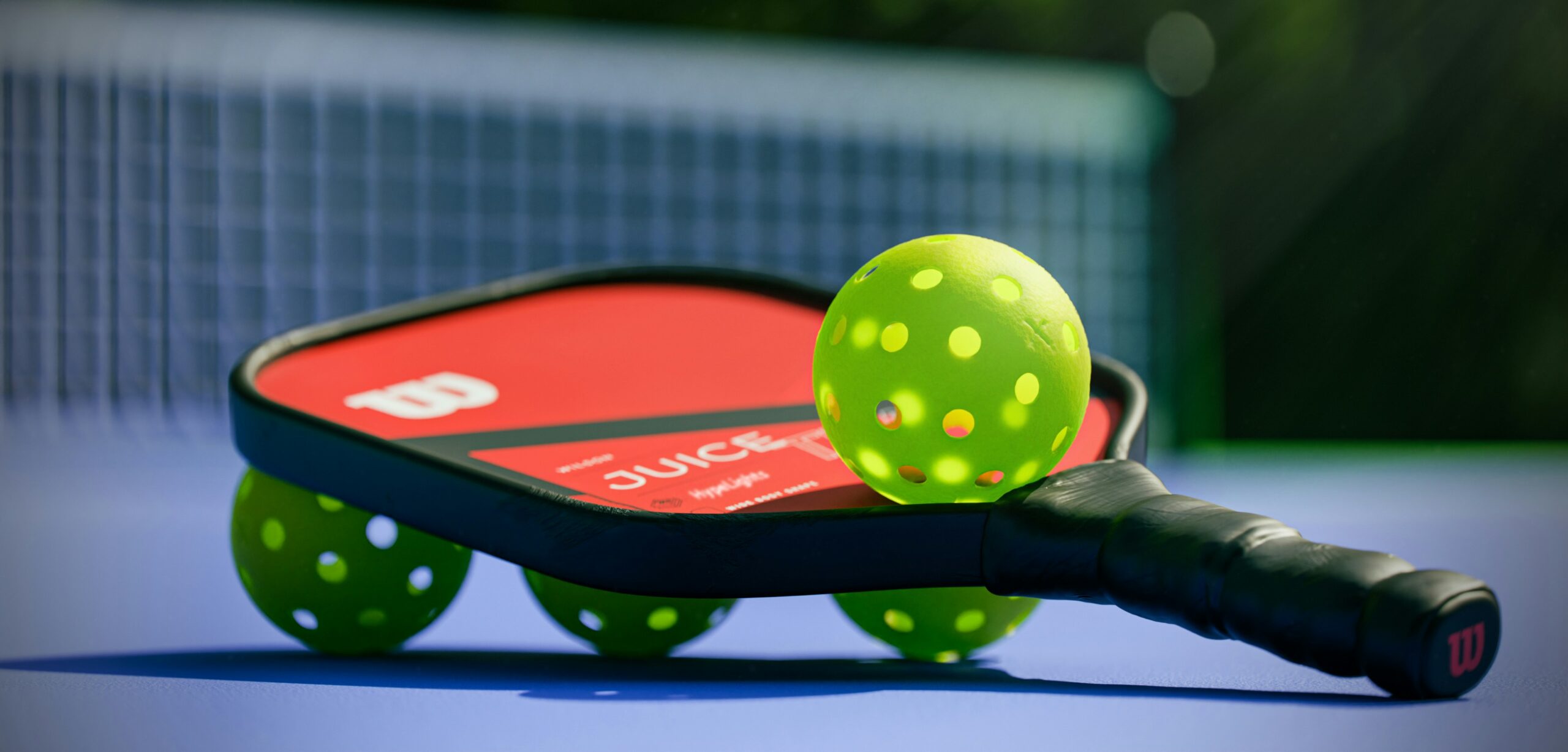
Pickleball is a growing and well received sport in the over 50 year old age bracket. As with any sport, there are certain pickleball injuries that tend to occur. There are 13 million pickleball players in the United States and the number just keeps growing. This sport is enjoyed by athletes of all ages. It is a combination of elements of tennis, badminton and ping pong. There is an enjoyable social aspect and league membership that is appealing. Many communities are trying to expand the number of pickleball courts available.
Pickleball Injury Stats in the over 50 crowd
Recent studies have showed the following percentages of types of injuries when pickleball is played by persons over 50 years of age:
32.2% are strains of muscles or sprains of joints
28.1% are fractures. It has also been noted that female players are 9X more likely to fracture a wrist vs their male counterparts.
10.6% are contusions and abrasions (bruising and road rash)
Lower leg injuries are featured at 12.9% of all pickleball injury over age 50. This includes ankle injury at 6.1%, knee at 5.9% and foot 2.1%
Upper extremity injury comes in at 33% of all pickleball injuries over 50 with wrist at 13.2% and shoulder at 5.4%
Head injuries make up 12% of injuries in persons over 50 playing pickleball
Eye injuries can be common. The game requires focus with eye on the ball, swinging paddles from close proximity players and the fast moving pickleball itself . Corneal abrasions, retinal tears or detachment and bleeding in the front chamber of the eye are known to occur. Persons with existing eye conditions such as dry eye disease or those with previous eye surgery can be more susceptible to eye injury.
Pickleball Injury Prevention Tips
- Allow for a proper warm up. Walk or jog around the court a few times. Get your heart rate up. Complete some stretching for your calf muscles, hamstrings, low back as well as shoulders, elbows and wrists
- Wear proper footwear. Does your foot feel cushioned and ankle feel stable? Check your shoelaces to make sure they are not too long or too worn.
- Play with proper technique. Avoid overreaching, not keeping wrists neutral when swinging.
- To avoid muscle cramps or leg fatigue, make sure you are hydrated well. Before, during game and after. Bring water or an electrolyte drink with you.
- Take breaks as needed. Avoid overexertion. If it is hot and sunny, find a place in the shade to take a break in.
- Commit to strengthening key muscle groups for your core, legs and upper body. These building blocks cannot be overlooked if you want your sport performance to be excellent
- Wear protective eyewear. Even a pair of sunglasses or prescription glasses offer a layer of safety.
Common Injury and how to treat yourself
Always seek professional medical help if you have injured your eye, hit your head, or suspect a fracture. If you are unable to bear weight on a limb, a joint feels unstable or there is abrupt numbness and tingling, go for medical care. For other common non emergent injuries, you can try the following:
Ankle Sprains: Rest, Ice, elevation and a possible supportive brace. Do not try to return to sport too early. If persists for several days, see your doctor or physical therapist.
“Tennis” elbow/Lateral Epicondylitis: Often felt as pain, soreness over outside part of elbow. Use rest, ice, anti-inflammatories as allowed. Gentle stretching. Persistent symptoms could benefit from physical therapy to facilitate healing, strengthen weak muscles and learn how to stretch and modify your swing technique to help. Sometimes, a supportive arm cuff band can help you return to sport sooner.
Rotator Cuff Strain: Reaching high or overhead serves can strain these muscles. Rest, ice, shoulder strengthening which includes upper back muscles that are supportive to shoulder joint will help.
Achille’s Tendonitis: You may have improper warm up technique or are not stretching your calf muscles enough. There are two calf muscles and you should stretch both. Rest, ice, stretching will help. Eventual strengthening of your calf/push off muscles can help too. You may need support orthotics or a slight heel lift to unload the tendon while it heals. A physical therapist can help you.
Calf muscle strain: Pickleball involves quick movements with lots of push off off of the ground surfaces as well as light jumping. Ice, rest, compression and stretch will help. You may also need to strengthen these muscles once they heal.
Plantar Fasciitis: This is a strain on the foot’s arch often when sprinting or excessive standing time. Pain is on heel and bottom of foot. Rest, Ice, stretch, supportive footwear and/or foot orthotics can help.
Hamstring Strain: Common in pickleball due to the quick stops and sudden reaches required which may overextend this leg muscle. Ice, rest, compression(ace wrap) followed by stretching and strengthening.
Lower Back Strain: Pickleball may require twisting or bending in unusual ways. Rest, ice, gentle stretch and core strengthening can help.
Knee sprain: Quick pivots and overstretched movement patterns are often the culprit. Rest, ice, compression, physical therapy if needed or if seeking brace support recommendation.
Patellar Tendonitis (jumper’s Knee): Repeated jumping and bending tend to cause this and pain is felt below the kneecap. Rest, ice and muscle strengthening for all muscles around the knee will help. There is a band support that can also help.
Wrist sprain: Often the result of falls, improper paddle grip. Rest, ice, possible a wrist support brace
Finger jam/sprain: Often occurs from an impact with a paddle or a ball. Ice, rest but also gentle stretching/range of motion exercise to keep stiffness at bay
Hip Flexor strain: Pain in front of hip often from fast, lateral movements and lunges. Rest, ice followed by gradual stretching and gentle strengthening.
Shoulder Impingement: Repeated overhead movements can cause inflammation in shoulder joint area and lead to pain. Rest, ice, physical therapy
Dehydration/Heat Exhaustion: Keep yourself hydrated. Rest between games in a cool, shaded area. Bring water or electrolyte drink with you. Hydrate before play, during play and after play.
We hope you have found this blog informative and helpful. We enjoy working with athletes of all age groups. If you need physical therapy, please consider us as a provider of choice.